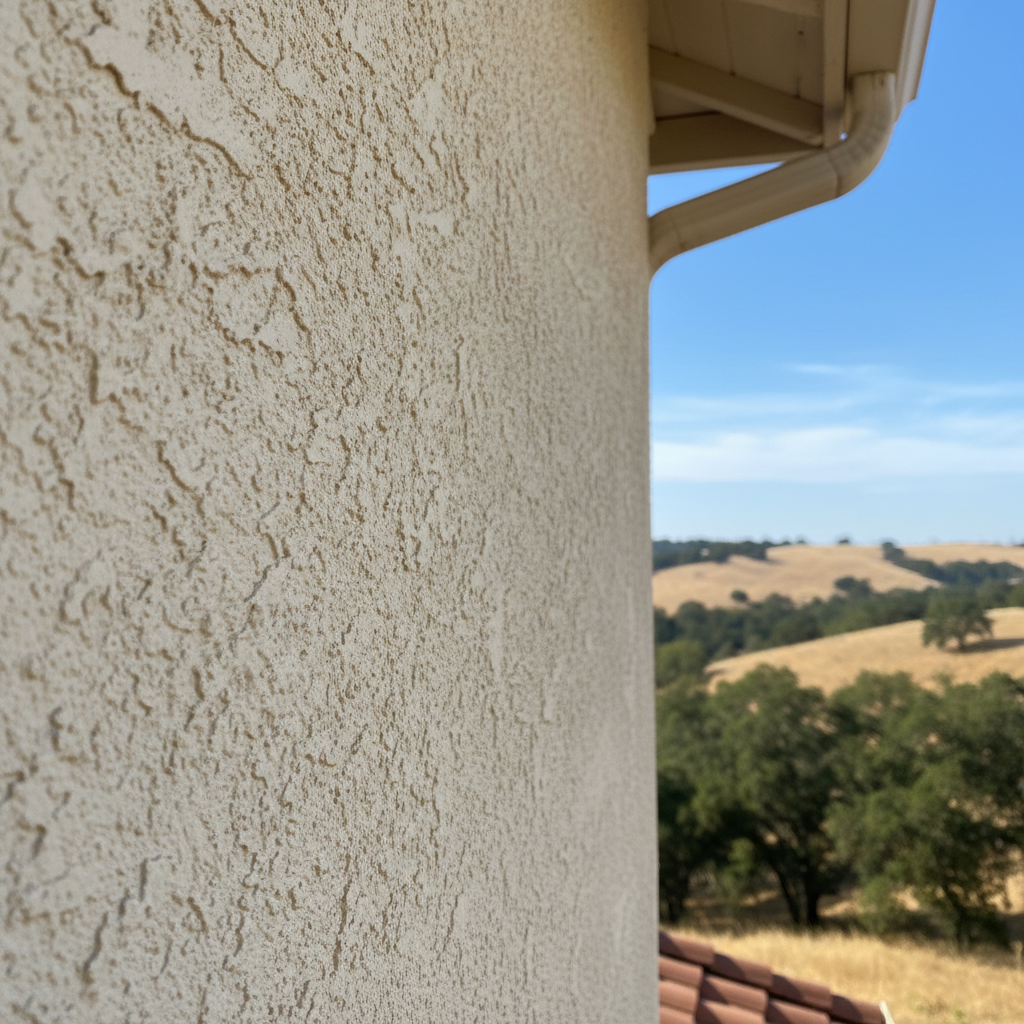
Alright, let's talk about your stucco. It’s a tough, good-looking exterior, but let's be honest, it's not invincible. Especially here in Pittsburg, California, with our hot, dry summers and those damp, foggy mornings that roll in off the Delta, your stucco really takes a beating. Catching issues early can save you a ton of headaches and cash down the line. This isn't about turning you into a stucco expert overnight, but it *is* about knowing what to look for and when it's time to pick up the phone.
Before You Start Poking Around: Get Ready
You need a game plan before you even step outside. You're not just randomly staring at walls; you're doing a focused check-up. Think of it like your car's oil change – you do it regularly to prevent bigger issues. Stucco can last for decades, sometimes even over 50 years, but only if you take proper care of it.
- Tools for the Job: You don't need much, really. A good pair of eyes, a notepad and pen (or your phone for notes and photos), maybe some binoculars for those higher spots, and a small rubber mallet or even just a plastic screwdriver handle. That last one's for tap-testing, and we'll get to that in a bit.
- Timing is Everything: I recommend doing a visual inspection at least once a year. Spring is usually a good time for this, after the winter rains have passed and before the summer heat really bakes everything. This way, any moisture-related problems that popped up during the wetter months will be more obvious.
- Know Your Stucco: Is it traditional three-coat stucco or EIFS (Exterior Insulation and Finish System)? Knowing what you've got can help you understand what to look for. While this post focuses on general stucco inspection, EIFS has its own specific considerations.
During the Inspection: What to Look For (DIY Edition)
This is where you become your home's first line of defense. Walk around your entire house, taking your time. Pay extra close attention to areas around windows, doors, utility penetrations, and where the stucco meets the ground or other materials.
Visual Cues: Your Eyes Are Your Best Tool
- Cracks: You're going to see cracks, that's just stucco for you. Hairline cracks (think thinner than a credit card) are often just cosmetic and happen from normal expansion and contraction. Keep an eye on them, but don't panic. What you're really looking for are larger cracks, especially those wider than 1/16th of an inch, or cracks that form spiderweb patterns, zigzag up the wall, or appear around openings. These can signal deeper issues like foundation movement or moisture getting in.
- Discoloration and Stains: Dark streaks, water stains, or patches of different colors are big red flags. These usually mean water is getting in where it shouldn't. Also, look for efflorescence – that white, powdery stuff. It means water is moving through the stucco and leaving mineral deposits behind.
- Bulging or Blistering: If you see areas where the stucco looks like it's puffing out or separating from the wall, that's a serious problem. It almost always points to trapped moisture or a failure in how the stucco was bonded.
- Mold, Mildew, or Algae: Any green, black, or fuzzy growth means there's consistent moisture. This is especially common in shaded areas or spots where water might be pooling.
- Missing or Damaged Sealants: Check around windows, doors, and where different materials meet. If the caulk is cracked, missing, or peeling, it's an open invitation for water.
- Drainage Issues: Look at the ground level. Are your gutters and downspouts directing water away from the foundation? Is there proper clearance between the stucco and the soil? In Pittsburg, with our clay-heavy soils, proper drainage is crucial to prevent water from wicking up into the stucco. You want at least 6-8 inches of clearance between the bottom of the stucco and the soil.
The Tap Test: Listening for Trouble
This is where your rubber mallet comes in. Gently tap the stucco surface. You're listening for a consistent, solid sound. If you hear a hollow sound, especially in areas that look discolored or bulged, it could mean the stucco has delaminated or separated from the substrate. This is a strong indicator of trapped moisture and potential damage underneath. Don't go whacking your walls like you're trying to break them, just a gentle tap.
When to Call in the Pros (and Why It Matters)
While you can do a lot of initial detective work yourself, there are definitely times when you need to bring in a professional. Ignoring these signs or trying to DIY a big problem can lead to far more expensive repairs down the road.
You Need a Pro For:
- Large or Structural Cracks: If cracks are wider than a credit card, growing rapidly, or seem to be affecting the structural integrity of your home, don't mess around. These can indicate foundation issues that need a structural engineer or a specialized stucco repair contractor.
- Bulging, Soft Spots, or Delamination: Any areas that feel soft, spongy, or sound hollow when tapped, especially if they're bulging, are almost certainly signs of significant moisture intrusion and underlying damage. This isn't a cosmetic fix; it requires opening up the wall to assess and repair the damage, which often includes replacing sheathing or framing.
- Persistent Staining or Mold: If you've cleaned stains or mold, and they keep coming back, it means the source of the moisture hasn't been addressed. A pro can use moisture meters and other diagnostic tools to pinpoint exactly where the water is coming from.
- Water Intrusion Around Windows/Doors: If you suspect water is getting in around your windows or doors, especially if you see soft drywall inside, that's a job for a pro. Improper flashing is a common issue and needs expert attention.
- Before Buying or Selling: A professional stucco inspection can give you peace of mind or leverage during negotiations.
- If You're Just Not Sure: Honestly, if you're looking at something and thinking, "Is this bad?" – then it's probably worth a call.