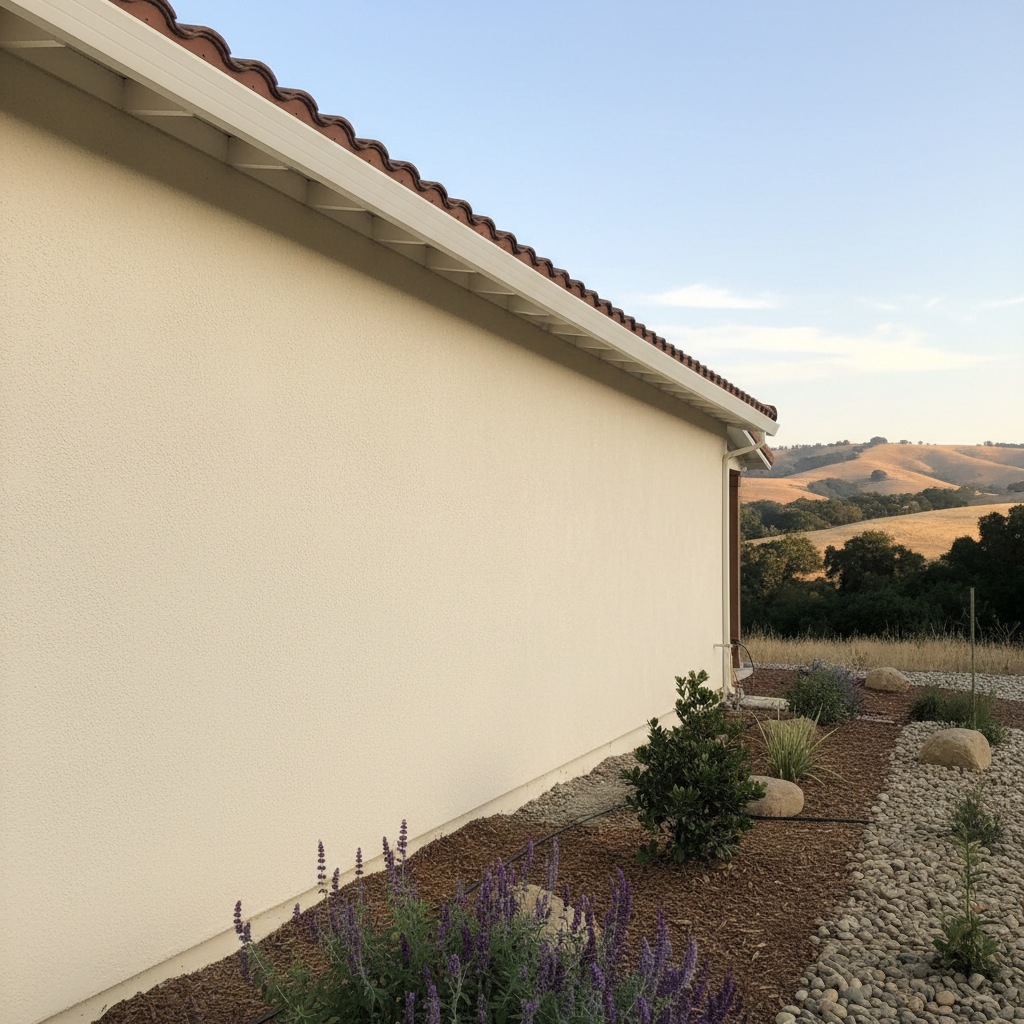
You just invested in painting your stucco, or maybe you're just thinking about it. Smart move, either way. A fresh coat of paint doesn't just make your house look good; it actually adds a layer of protection to your stucco. But paint isn't a magical force field, you know? It needs a little love to really go the distance, especially with our California sun beating down on it.
Making Your Stucco Paint Last Longer
So, you want that paint to stick around? It's not rocket science, but it does take some common sense and a bit of effort. First off, a good paint job always starts with quality materials and proper prep. If someone slapped cheap paint on dirty, unprimed stucco, well, you're already fighting an uphill battle, aren't you? Assuming you had a decent job done, here's what you can do:
- Use good paint: This might sound obvious, but it's the absolute foundation. We always recommend elastomeric paints for stucco. They're flexible, breathable, and specifically designed to handle the expansion and contraction that stucco goes through with temperature changes. Plus, they resist cracking much better than standard acrylics.
- Keep it clean: Dirt, dust, pollen, and even exhaust fumes from the nearby freeway can build up on your stucco. This isn't just about looks; these contaminants can actually degrade the paint over time. A gentle wash once a year or every couple of years really goes a long way.
- Fix problems fast: Don't let small issues become big ones. A tiny crack or a bit of mildew might seem minor, but they can quickly compromise the paint's integrity if you just ignore them.
Regular Stucco Maintenance: What You Should Be Doing
Think of your stucco like your car; it needs regular check-ups. You don't wait for the engine to seize up before you get an oil change, right? Same idea here. Here’s what I tell folks:
Annual Inspection: Walk around your house. Get up close. Look for anything out of the ordinary. I'm talking about:
- Dirt and grime: If it looks dirty, it probably is.
- Mildew or algae: You'll often spot this in shaded areas, like under eaves or on the north side of your house, especially after a wet winter. It usually looks green or black and fuzzy.
- Cracks: Even hairline cracks can be an entry point for water.
- Peeling or bubbling paint: This is a clear sign of trouble.
- Water stains: These often point to a leak from above, like a gutter problem or a roof issue.
Cleaning: Most of the time, a gentle pressure wash is all you need. And I mean gentle. You're not trying to strip the paint off; you're just washing away surface crud. Use a wide fan tip, keep it moving, and don't get too close. If you've got mildew, a solution of water and a little bleach or a dedicated mildew remover works wonders. Just rinse thoroughly afterward. For homes in areas like the hilly parts of Pittsburg where you might have more shade and moisture, you might find yourself doing this more often, actually.
Trim vegetation: Keep bushes and trees from touching your stucco. They hold moisture against the wall, encourage mildew growth, and can scratch the paint. Plus, bugs just love using them as bridges to your house.
Warning Signs: When to Really Pay Attention
Some things are more than just cosmetic. These are red flags that tell you something serious might be going on underneath your paint:
- Large, spiderweb cracks: These aren't just surface issues. They often mean there's movement in the substrate or a more significant structural problem.
- Stains that keep coming back: If you clean off a stain, and it reappears quickly, it's likely a persistent moisture issue.
- Soft spots: If you press on the stucco and it feels soft or spongy, that's a major problem. It means water has gotten behind the stucco and is rotting the sheathing or framing.
- Paint flaking off in large sheets: This indicates poor adhesion, often due to moisture intrusion or improper prep.
- Efflorescence: Those white, powdery deposits? That's salt leaching out of the stucco as water evaporates. It means water is getting in and moving through the material.
When to Call a Professional
Look, I'm all for DIY, but some jobs are just best left to the pros. If you see any of those serious warning signs I just mentioned, don't try to patch it yourself. You could be masking a bigger issue that will cost you more in the long run. Here's when you should definitely pick up the phone:
- You've got those large, structural cracks.
- You suspect water intrusion or rot.
- The paint is failing prematurely, like peeling or bubbling all over the place.
- You're not comfortable with pressure washing or working at heights.
- You want to repaint, and you're not sure about the right materials or preparation.
At Alpha Stucco Pittsburg, we've seen it all. We can assess the situation, figure out the root cause, and recommend the right fix, whether it's a simple repair and repaint or something more involved. Don't wait until a small problem turns into a major headache. A little proactive maintenance and knowing when to call for help will keep your stucco looking great and protecting your home for years to come.