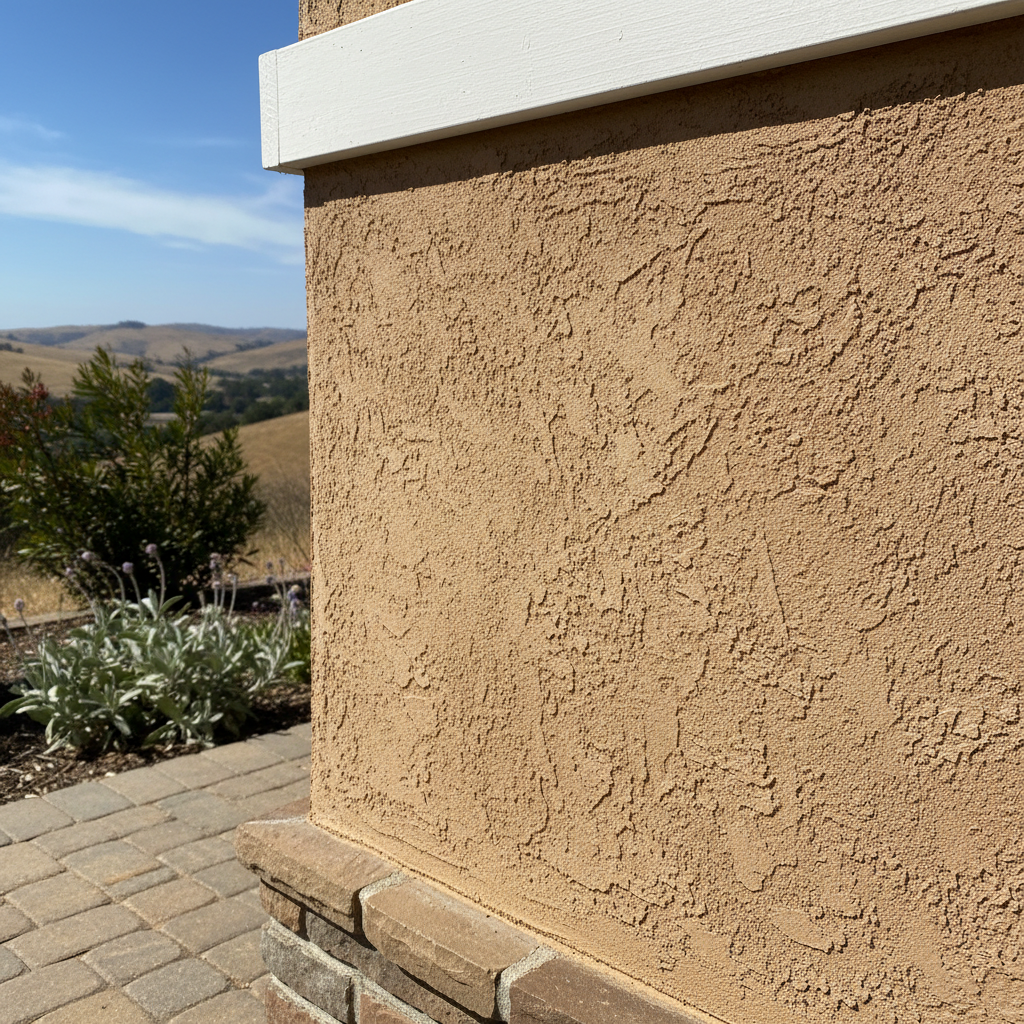
Alright, let's talk about stucco inspection. You've got stucco on your home, and that's great – it's a tough, durable finish when it's done right. But like anything else, it needs a little attention now and then. Don't wait until you've got a major issue; a little proactive checking can save you a ton of headache and cash down the road.
Before You Start: What You Can Do Yourself
You don't need to be a stucco expert to do a basic visual inspection. You're just looking for red flags, things that just don't seem right. Grab a pair of binoculars if you've got them, especially for those second-story walls, and walk around your house. Take your time. Maybe even snap some pictures so you can track changes.
- Look for cracks: Not all cracks are bad, but you need to know the difference. Hairline cracks? Usually not a huge deal; they're often just surface shrinkage. Wider cracks, especially those that run diagonally from windows or doors, or form a spiderweb pattern? Those are a bigger concern. They can signal structural movement or water getting in.
- Check for discoloration or staining: Dark streaks, particularly under windows, near the roofline, or around vents, almost always mean water is getting in. Green or black spots could be mold or mildew, which means moisture is present and not drying out properly.
- Examine the weep screed: This is that metal or plastic strip at the very bottom of your stucco wall, usually about 6 inches above the ground. It's designed to let any water that gets behind the stucco drain out. Make sure it's not buried by dirt, landscaping, or concrete. If it is, water can't escape, and that's a recipe for rot. I see this a lot in older Pittsburg homes, where landscaping has just built up over the years.
- Inspect around openings: Windows, doors, dryer vents, hose bibs, electrical outlets – any penetration through your stucco is a potential entry point for water. Check the caulking or flashing around these areas. Is it cracked, missing, or pulling away?
- Tap the stucco: Gently tap on different areas of the stucco with a rubber mallet or even your knuckles. You're listening for a hollow sound. A solid, firm sound is good. A hollow sound can indicate that the stucco has separated from the wall sheathing, which means water might be trapped behind it or the stucco itself is failing.
When to Call a Pro: The "During" Phase
If you see any of those red flags I just mentioned – wide cracks, significant staining, a buried weep screed, compromised flashing, or hollow spots – it's time to bring in someone who knows what they're doing. This isn't a DIY fix anymore. You need a professional stucco contractor, like us at Alpha Stucco Pittsburg, to do a more in-depth inspection.
What does a pro do that you can't? We've got specialized tools and experience. We can:
- Perform moisture testing: We use moisture meters to find hidden water behind the stucco, even if there are no visible signs on the surface. This is critical for catching problems before they become massive.
- Use thermal imaging: Sometimes, we'll use thermal cameras to spot temperature differences that indicate moisture or air leaks.
- Do invasive inspections: In some cases, we might need to carefully remove a small section of stucco to see what's going on underneath. We'll always discuss this with you first, of course.
- Identify the root cause: It's not just about patching a crack; it's about understanding *why* the crack formed or why water is getting in. Is it a flashing issue? Improper installation? Foundation settlement? We'll figure it out.
- Provide a detailed report and repair plan: You'll get a clear understanding of the issues, what needs to be done to fix them, and an estimate for the work.
After the Inspection: What Happens Next?
Once you've had a professional inspection, you'll have a clear picture of your stucco's health. If there are issues, you'll get recommendations for repair. Don't put off necessary repairs. Small problems with stucco tend to get much, much bigger and more expensive if left unaddressed. Water intrusion can lead to wood rot, mold growth, and even structural damage to your home. Nobody wants that headache, right?
Even if the inspection comes back clean, it's a good idea to do those visual checks yourself annually. After a big storm or a particularly wet winter, like we often get here in Pittsburg, it's smart to take another look. Your stucco is your home's skin; keep an eye on it, and it'll keep protecting you for years to come.