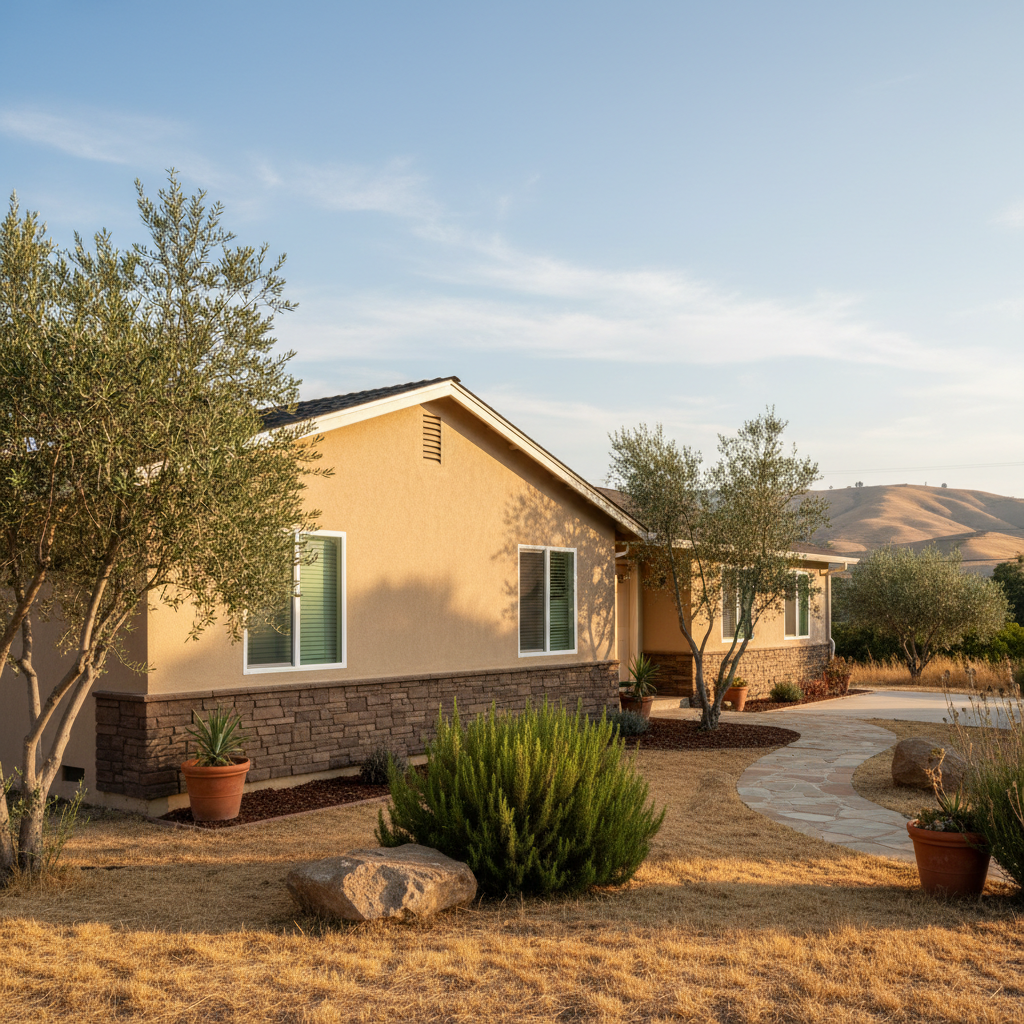
When's the Best Time for Stucco Replacement in Pittsburg?
Look, I get it. You've got a stucco issue, maybe some cracks, water damage, or just an outdated look. You want it fixed, and you want it fixed right. But here in Pittsburg, CA, timing isn't just a suggestion; it's crucial for a quality stucco replacement that lasts.
You might think, "Just get it done whenever." But that's not how stucco works, especially with our specific climate. We've got those hot, dry summers and then the cooler, sometimes wet winters. Each season brings its own challenges and advantages for stucco work.
Summer: Hot, Dry, and Tricky
Our summers are long and hot, right? Think about those 100-degree days we get, especially out in areas like the Highlands Ranch or near the Delta. That kind of heat can be a real double-edged sword for stucco. On one hand, it's dry, which means no rain delays. That's a big plus.
However, extreme heat makes the stucco dry too fast. When stucco cures too quickly, it can lead to hairline cracks or a weaker bond. It needs time to properly hydrate and cure. We can mitigate this by working earlier in the morning, using proper hydration techniques, and sometimes even shading the work area. It's doable, but it requires careful planning and experienced crews like the ones at Alpha Stucco Pittsburg to manage the conditions.
Fall: Often Ideal, But Book Early
For my money, late summer into fall is often the sweet spot for stucco replacement here. You still get plenty of dry days, but the intense heat starts to back off. The temperatures are more moderate, usually in the 70s and 80s, which is perfect for stucco to cure slowly and strongly. It allows the materials to bond properly without drying out too fast or getting soaked by unexpected rain.
The downside? Everyone knows this is a good time, so schedules fill up fast. If you're thinking about a fall project, you really need to start planning and getting bids in late spring or early summer. Don't wait until August to call; you might be out of luck for that prime window.
Winter: Rain and Cold Can Be a Real Pain
Winter in Pittsburg means rain. Sometimes a lot of it. Stucco and heavy rain just don't mix during application. You can't apply stucco to a wet surface, and it needs a good few days to cure before it gets hit with significant moisture. Rain delays are common, which can stretch out a project and frankly, nobody wants that.
Then there's the cold. While we don't get freezing temperatures often, sustained cold can also slow down the curing process significantly. It's not impossible to do stucco work in winter, especially during dry spells, but it's generally not my first recommendation unless absolutely necessary. If we do work in winter, we're watching the forecast like hawks and often using special additives or covers to protect the work.
Spring: A Good Second Choice
Spring can be a pretty good time too, similar to fall. You get those milder temperatures, and usually, the heavy rains have passed. The ground is often still a bit damp from winter, which helps keep dust down, but the air is drying out. It's a solid option if you missed the fall window. Again, like fall, it's a popular time, so planning ahead is key.
Protecting Your Stucco Investment Year-Round
Once your new stucco is up, you want to keep it looking good and performing its best. Here are a few things you can do:
- Keep an eye on your sprinklers. I see this all the time. Sprinklers hitting the side of the house day after day. That constant moisture can lead to algae growth, staining, and eventually, stucco degradation. Adjust those heads!
- Check your gutters and downspouts. Make sure they're clean and directing water away from your foundation and walls. Overflowing gutters are a major cause of stucco damage.
- Trim back foliage. Bushes and trees growing right up against your stucco can trap moisture and prevent the walls from drying out properly. Give your house some breathing room.
- Look for cracks. Small hairline cracks are normal over time as a house settles, but larger or expanding cracks need attention. Don't let them become entry points for water. Call us if you're unsure.
- Consider a fresh coat of paint or sealant. Every 5-10 years, depending on the product, a good quality elastomeric paint or sealant can add an extra layer of protection against the elements and keep your stucco looking vibrant.
Choosing the right time for your stucco replacement project makes a big difference in the final quality and longevity. We've been doing this for years at Alpha Stucco Pittsburg, and we know what works best for homes right here in our community. Give us a call when you're ready to talk about your project, and we can help you plan the perfect timing.