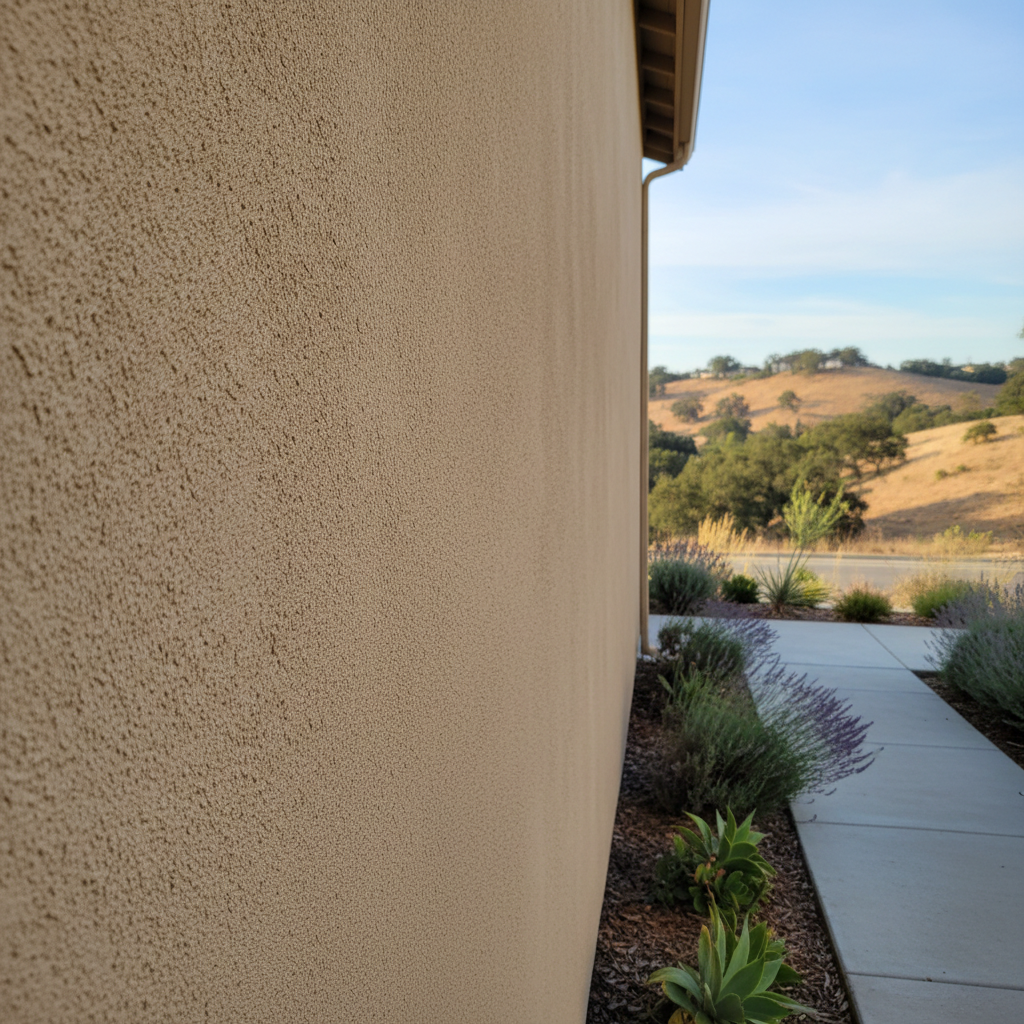
You've got EIFS (Exterior Insulation and Finish Systems) on your home or business here in Pittsburg, CA. That's a smart choice for insulation and a clean, modern look, no doubt. But like anything else, it's not a 'set it and forget it' kind of deal. You've gotta give it a little love to make sure it lasts and protects your property the way it's supposed to. I've seen plenty of EIFS installations over the years, and the ones that really stand the test of time are always the ones that get proper, regular maintenance.
Making Your EIFS Last Longer
The biggest thing you can do to extend the life of your EIFS is pretty simple: keep it clean and keep it dry. Sounds obvious, right? But you'd be surprised how often folks overlook the basics. EIFS is designed to shed water, but constant moisture exposure, especially in spots where water can pool or just sit, is its enemy. Our climate here in Pittsburg, with those hot, dry summers and then the occasional heavy winter rains, means your EIFS is constantly expanding and contracting. This movement, combined with moisture, can cause issues over time if you don't keep an eye on it.
First off, make sure your gutters and downspouts are clean and sending water well away from the foundation. I've seen homes, especially in older neighborhoods like the Highlands, where clogged gutters just dump water right onto the EIFS walls. That leads to staining and eventually, bigger problems. Trim back any shrubs or trees that are constantly rubbing against the EIFS or keeping it perpetually shaded and damp. You want good airflow around your walls, plain and simple.
Also, try not to plant anything too close to the wall that needs frequent watering. That constant dampness at the base of the wall? It's a recipe for trouble. You're essentially creating a perfect environment for mold and mildew, which can degrade the finish over time.
Regular Maintenance: What You Should Do
This isn't rocket science, but it does require a little attention a couple of times a year. Think of it like checking the oil in your car – a small effort for a big payoff.
- Clean it gently: About once a year, give your EIFS a good wash. Use a soft brush and a mild detergent solution. Nothing harsh. A garden hose with a spray nozzle is usually enough to rinse it clean. Don't use a high-pressure washer; that's a big no-no. It can damage the finish and even force water behind the system, which is exactly what we're trying to prevent.
- Check your sealants: This is huge. Look at all the caulk lines around windows, doors, and where the EIFS meets other materials like trim or the foundation. These sealants are your first line of defense against water getting in. If you see cracks, gaps, or areas where the caulk is pulling away, it needs to be repaired or replaced. You can usually do this yourself with a good quality exterior sealant, but if it's extensive, you might want to call a pro.
- Look for physical damage: Walk around your property and look for any dings, dents, or holes. Kids playing ball, a ladder slipping, even hail can cause damage. Even small cracks can let water in, so don't ignore them.
- Check for drainage: Make sure there's no standing water near the base of your EIFS walls after it rains. Proper grading around your home is crucial.
Warning Signs of Trouble
Your EIFS will usually give you clues when something's wrong. You just need to know what to look for.
- Staining or discoloration: Dark streaks, especially under windows or near rooflines, often mean water is getting in or there's persistent moisture. Green or black patches could be mold or mildew, which points to a drainage issue.
- Cracks: Hairline cracks are pretty common, especially with our temperature swings. But if you see cracks that are wider than a credit card, or if they're spreading, that's a red flag. Cracks around openings like windows and doors are particularly concerning.
- Bulging or soft spots: If you press on the EIFS and it feels soft, spongy, or you see a bulge, that's a serious sign of trapped moisture and potential substrate damage. Don't ignore this one.
- Peeling or delaminating finish: If the topcoat is flaking off or separating from the layer underneath, it means water has gotten in or the original application wasn't quite right.
- Efflorescence: This is a white, powdery substance that sometimes appears on stucco. It's mineral salts left behind when water evaporates. It means water is getting into the wall and then evaporating out, leaving the salts behind.
When to Call a Professional
Look, some things you can handle yourself, like cleaning or a small caulk repair. But there are times when you absolutely need to call in the pros. If you see any of those serious warning signs – significant cracking, bulging, soft spots, or widespread water staining – don't try to DIY it. You could make things worse, frankly.
When you're dealing with potential water intrusion into your wall system, you need someone who understands EIFS construction and knows how to properly diagnose and repair the issue without causing further damage. Alpha Stucco Pittsburg specializes in this stuff. We've got the experience to pinpoint the problem, whether it's a minor sealant failure or something more extensive lurking behind the finish. Getting it fixed right the first time will save you a lot of headaches and money down the road. Don't wait until a small problem becomes a massive, costly repair.