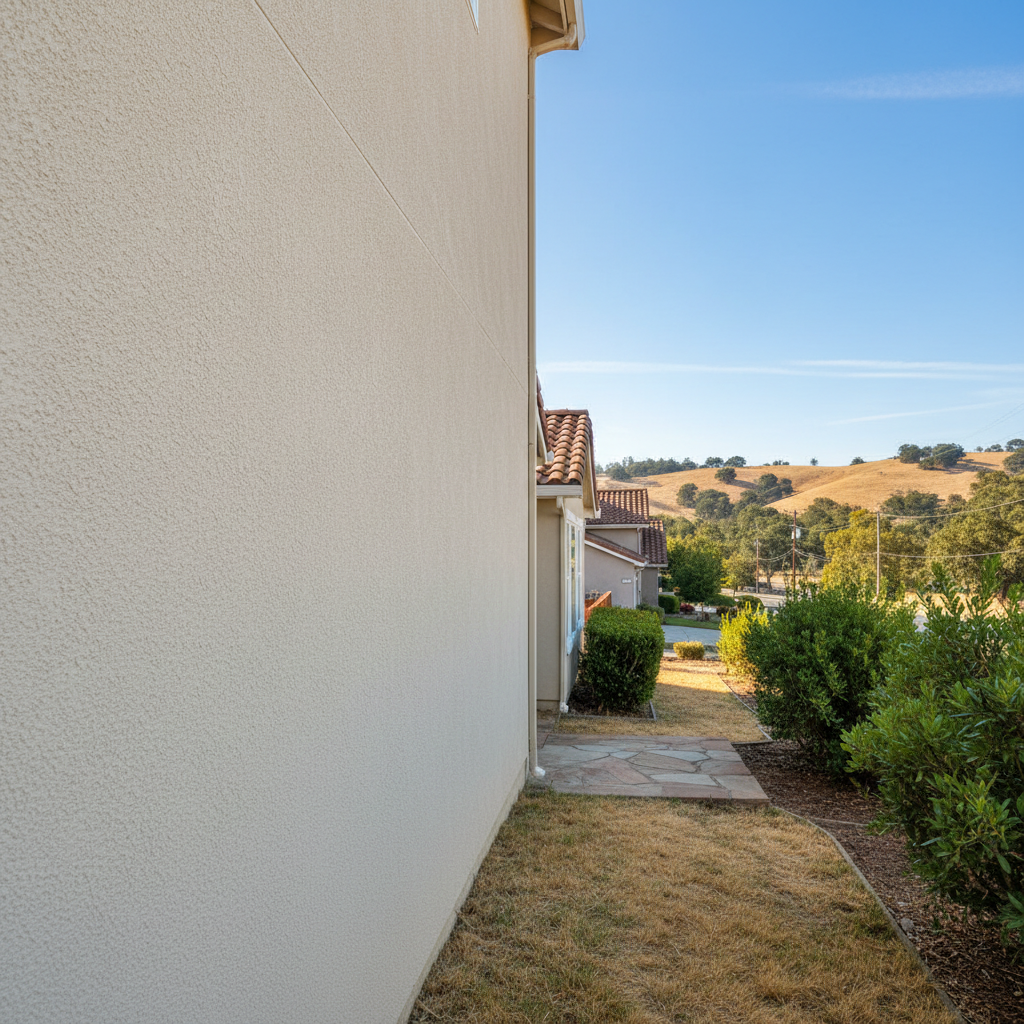
Alright, let's talk about your commercial stucco. You've got a business to run, I get it. The last thing you want to worry about is the exterior of your building, but trust me, ignoring it is a surefire way to invite bigger, more expensive problems down the line. As a contractor who's been working with stucco in Pittsburg for years, I've seen it all. Here's the deal on how to keep your commercial stucco in top shape, make it last longer, and know when it's time to call in the pros.
Making Your Commercial Stucco Last Longer
You want your stucco to last, right? Good. It's not rocket science, but it does take a little attention. The biggest enemy of stucco, especially here in California, is water. We don't get a ton of rain, but when it comes, it can hit hard. And then there's the intense summer sun, baking everything. Proper drainage is key. Make sure your gutters are clean and working. Water should always be directed away from the building's foundation. If you see water pooling around the base of your walls, that's a red flag. Get it fixed. Otherwise, it'll undermine your stucco and your foundation.
Another thing? Keep an eye on the landscaping. Shrubs and trees growing right up against the stucco might look nice, but they trap moisture and can scratch the surface. Give your building some breathing room. Trim back those bushes. It also helps with air circulation, which is good for your stucco, especially after a foggy morning or a rainy spell.
What Regular Maintenance Looks Like
This isn't an everyday job, but it's not a 'set it and forget it' situation either. I recommend a visual inspection of your stucco at least twice a year. Walk around your building, really look at it. Pay attention to corners, around windows and doors, and near the roofline. These are common spots where issues start.
- Cleaning: Stucco gets dirty, especially if you're on a busy street. Dust, pollution, maybe some mildew in shaded areas. A gentle power wash (low pressure, please!) with a mild detergent can do wonders. Just don't blast it too hard; you don't want to damage the finish. Do this every couple of years, or as needed.
- Caulking: This is huge. The caulk around your windows, doors, and expansion joints isn't just for looks; it's a critical waterproof barrier. Over time, caulk dries out, cracks, and pulls away. Check it regularly. If you see gaps, scrape out the old stuff and re-caulk with a high-quality, paintable sealant. This is a relatively cheap fix that prevents a lot of headaches.
- Painting/Sealing: If your stucco is painted, keep an eye on the paint condition. Fading, peeling, or chalking means it's losing its protective qualities. A fresh coat of elastomeric paint can add years to your stucco's life, providing an extra layer of defense against the elements. If it's not painted, you might consider a clear sealant, especially if it's an older, more porous stucco system.
Warning Signs of Problems
You don't need to be a stucco expert to spot trouble. Here are some things that should make you pick up the phone:
- Cracks: Small hairline cracks are often just surface-level and not a big deal. But if you see cracks wider than a credit card, or if they're running horizontally or in a spiderweb pattern, that's a concern. Step cracks (following the mortar lines in block or brick behind the stucco) can indicate structural movement.
- Stains: Dark streaks, especially below windows or near the roof, usually mean water is getting in somewhere it shouldn't. Green or black patches could be algae or mold, indicating persistent moisture.
- Bulges or Soft Spots: Press lightly on the stucco in different areas. If it feels soft, spongy, or you see a bulge, there's a good chance water has gotten behind the stucco and is damaging the substrate. This is serious.
- Efflorescence: That white, powdery stuff on the surface? That's efflorescence, mineral salts left behind when water evaporates from within the stucco. It's a sign that moisture is present and moving through the wall.
- Peeling Paint or Stucco: If the paint is peeling in large flakes, or the stucco itself is delaminating from the wall, you've got a moisture problem.
When to Call a Professional
Look, some things you can handle yourself, like cleaning or re-caulking small areas. But for anything beyond that, you really should call in a pro. Here at Alpha Stucco Pittsburg, we deal with this stuff every day. If you see any of those warning signs I just mentioned, don't wait. A small crack today can become a major water intrusion problem tomorrow, leading to rot, mold, and expensive repairs.
Especially with commercial properties, you can't afford to have your building look neglected or, worse, suffer structural damage. We're talking about your business's image and its long-term value, right? We can assess the situation, figure out the root cause, and get it fixed right. Sometimes it's a simple repair, other times it's a more involved restoration. But catching it early saves you money and keeps your business looking sharp for years to come. Don't hesitate to reach out if you've got questions or see something that doesn't look right.